
Some natural stones that are definitely not granite are being sold as if they were. Here are some ways you may be able to tell whether it really is granite.
Read More
Stone countertops, continually exposed to oily or dye-containing substances, are subject to staining. Ask us about how we can protect your natural stone.
Read More
There are a number of reasons why countertop cloudiness or haze can develop. Here are the details about possible causes and solutions for the problem.
Read More
Are you concerned about a poultice stain on marble. Does your stone need to be sealed? If yes, contact us to have it professionally cleaned and sealed.
Read More
Natural stone has inherent imperfections. Resin fills, reinforces, and strengthens the durability of natural stone, but can be problematic if not done properly.
Read More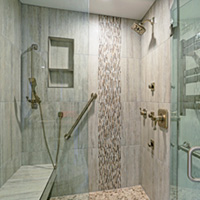
Should stone in wet conditions be sealed? In the following article, industry expert, Fred Hueston explains why stone in wet areas should not be sealed.
Read More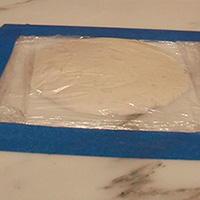
See Fred Hueston, Chief Technical Director of Stone & Tile PROS, demonstrating how to mix and apply a poultice for removing a stain from natural stone.
Read More
Many natural stone owners are aware that acids like vinegar, lemon, etc. can cause etching, but did you know high alkaline substances can also cause etching?
Read More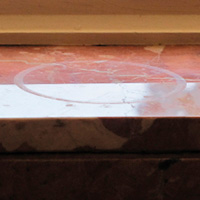
Feel free to contact us for specific etch removal product recommendations, to learn more about etch prevention solutions, or to schedule etch removal services.
Read More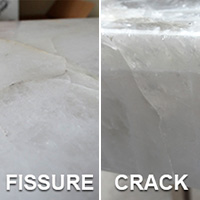
Sometimes these "cracks" in natural stone countertops are not cracks at all, but fissures, something that resembles a crack. Read more to learn the difference.
Read More